
Bad oral hygiene rarely announces itself in dramatic ways at the start. It creeps in during busy seasons, stressful months, or times when brushing feels like one more thing on an already long list. At Diablo Dental Group in Danville, we see how small habits in the mouth lead to bad oral hygiene and can influence comfort, confidence, and overall health. This conversation is not about perfection, it is about awareness, balance, and knowing when support makes a difference.
The Mouth as a Living System
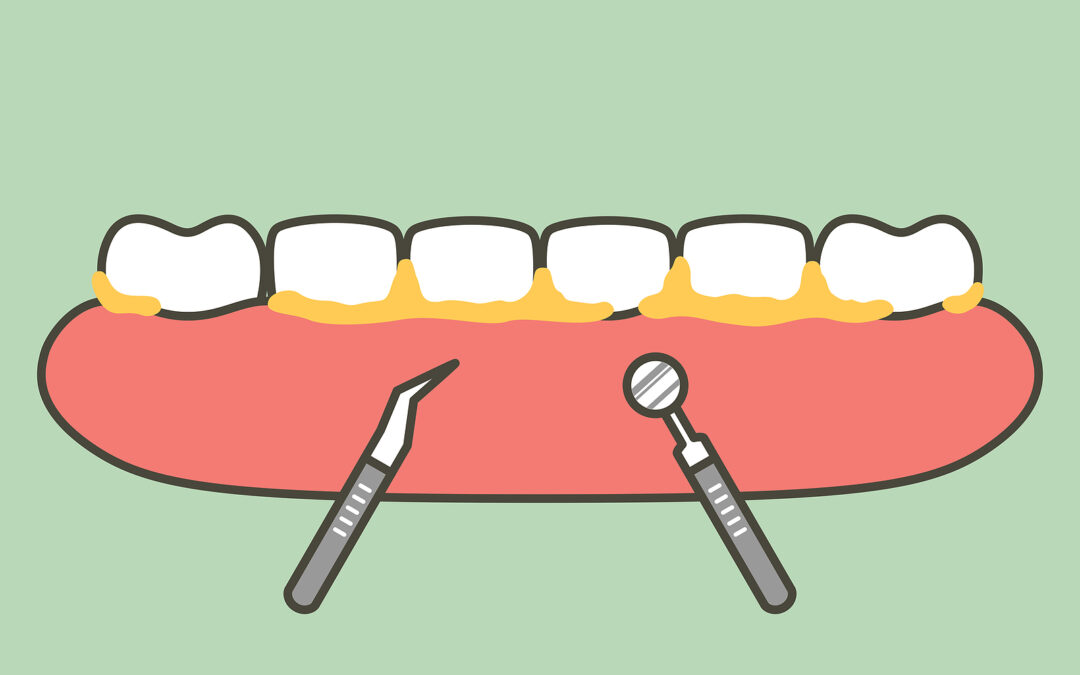
The mouth is alive with activity all day long. Saliva washes over teeth, bacteria form communities, gums respond to pressure, and nerves react to temperature. When oral care slips, the balance inside this system changes. Bad oral hygiene allows harmful bacteria to settle into plaque and harden into tartar, especially along the gumline where a toothbrush often misses.
Over time, gums can swell or bleed, and teeth become more vulnerable to decay. This does not happen overnight, which is why it often goes unnoticed. People adapt to discomfort in subtle ways, avoiding cold drinks or chewing on one side, without realizing the mouth is asking for attention.
How Oral Bacteria Affect the Rest of the Body
The body works as a network, not a collection of isolated parts. With bad oral hygiene, inflamed gum tissue can act as an open doorway. Bacteria and inflammatory byproducts can enter the bloodstream and circulate. The immune system responds, sometimes over and over again, which adds strain.
Research continues to explore connections between oral inflammation and heart health, blood sugar control, and other chronic conditions. While dentistry does not replace medical care, it plays a role in supporting the body’s overall balance. We often remind patients that caring for the mouth supports the rest of the body in quiet but meaningful ways.
Inflammation and the Immune Response
Inflammation is the body’s natural defense, but it is meant to be short lived. With bad oral hygiene, inflammation can linger. Gums remain irritated, bone support can weaken, and the immune system stays on alert.
Patients sometimes tell us they thought bleeding gums were normal, especially if it only happened during brushing. In reality, healthy gums do not bleed easily. That small sign can be an early message that the immune system is reacting to bacterial buildup.
The Slow Progression of Gum Disease
Gum disease moves in stages. Early on, it shows up as redness or tenderness. As it advances, gums may pull away from teeth, creating pockets where bacteria thrive. Bone loss can follow, and teeth may loosen.
This progression matters because early stages respond well to professional cleanings and improved home care. Later stages need more involved treatment. Our goal is to catch concerns early and talk through realistic steps forward, without judgment or pressure.
How Oral Health Influences Daily Comfort
Bad oral hygiene affects everyday life in ways people do not always connect back to their teeth. Persistent bad breath can change how someone speaks or laughs around others. Tooth sensitivity can make meals stressful. Gum soreness can distract from work or sleep.
We have had patients share how much lighter they feel once oral discomfort fades. Eating becomes enjoyable again. Smiling feels natural. These changes may sound small, but they shape daily experiences.
The Connection Between Oral Health and Nutrition
Chewing is the first step in digestion. When teeth hurt or gums ache, people adjust their diets without realizing it. Softer foods often replace fresh fruits, vegetables, or proteins. Many of those softer options contain more sugars or refined carbs, which feed the same bacteria responsible for dental problems.
With bad oral hygiene, this cycle reinforces itself. Restoring comfort in the mouth often helps people return to foods that support both oral and overall health.
Energy Levels and Ongoing Oral Infection
Chronic oral infections demand attention from the immune system. That effort costs energy. Some patients describe feeling run down or foggy, then noticing improvement after dental treatment addresses long standing issues.
This does not mean teeth explain every tired day. It does show how unresolved inflammation can quietly affect how the body feels over time.
Oral Health in Families and Children
Habits form early. Children notice how adults treat dental care, even when nothing is said out loud. When bad oral hygiene becomes routine at home, kids often mirror it. Missed brushing leads to cavities, then fear of the dentist, and the cycle continues.
Family focused care looks at the household as a whole. We talk with parents and kids together, share practical tips, and aim to make visits feel supportive rather than stressful. Our family dentistry approach centers on comfort, education, and consistency over time.
Modern Life and Missed Routines
Busy schedules play a big role in bad oral hygiene. Long workdays, commuting, screen time, and stress push brushing and flossing down the list. Most people are not ignoring their teeth on purpose. Life simply gets loud.
We work with patients to rebuild routines that fit real schedules. Sometimes that means adjusting tools, timing, or expectations so oral care feels doable again.
One Practical Reset That Helps
When people ask where to start, a simple reset can help interrupt bad oral hygiene patterns. This is one place where a short list makes sense:
- Schedule a professional cleaning to remove hardened buildup
- Replace old toothbrushes and worn floss
- Brush gently along the gumline twice a day
- Clean between teeth daily, not occasionally
- Pay attention to bleeding or lingering sensitivity
These steps are not about perfection. They are about creating momentum.
Professional Care and Early Intervention
Professional cleanings reach areas home care misses. Dentists also spot early signs of decay, gum changes, or bite issues before pain sets in. Education plays a big role here. Understanding what is happening in your mouth makes it easier to care for it.
We encourage patients to explore trusted dental health education resources so they feel informed rather than overwhelmed.
Orthodontics and Oral Health Balance
Crowded or misaligned teeth can make cleaning harder, which feeds bad oral hygiene over time. Food and plaque hide in tight spaces. Straightening teeth can improve more than appearance. It can support easier daily care.
Clear aligner options like Invisalign help align teeth in a controlled, comfortable way. For many adults and teens, this becomes part of a long term oral health plan, not a cosmetic splurge.
Real Experiences From Real Patients
Hearing from others helps normalize the journey back to health. Many people assume they are alone in dealing with oral issues. Reading patient testimonials often shifts that mindset. People see familiar stories of busy lives, delayed visits, and relief after care resumes.
Those shared experiences build trust and reduce anxiety before appointments.
Cost Concerns and Access to Care
Worry about cost keeps many people away from the dentist, which allows bad oral hygiene to continue unchecked. Planning ahead often reduces expenses in the long run.
Options like a dental savings plan can make routine care more approachable. Open conversations about costs help patients feel informed rather than surprised.
Staying Connected Outside the Office
Dental care does not stop when you leave the chair. We share tips, reminders, and behind the scenes moments on social media to keep oral health part of everyday life. Following along on Instagram helps patients stay connected in a low pressure way.
A Better Path Forward Starts With One Step
Bad oral hygiene is not a personal failure. It is often the result of stress, habit drift, or lack of support. The good news is that oral health can improve at any stage with the right care and guidance.
Ready for a Healthier Smile?
Your mouth deserves attention that fits your life, and bad oral hygiene should never get in the way. At Diablo Dental Group, we focus on care that feels supportive, practical, and human. Reach out through our contact page and let’s talk about next steps that make sense for you.