
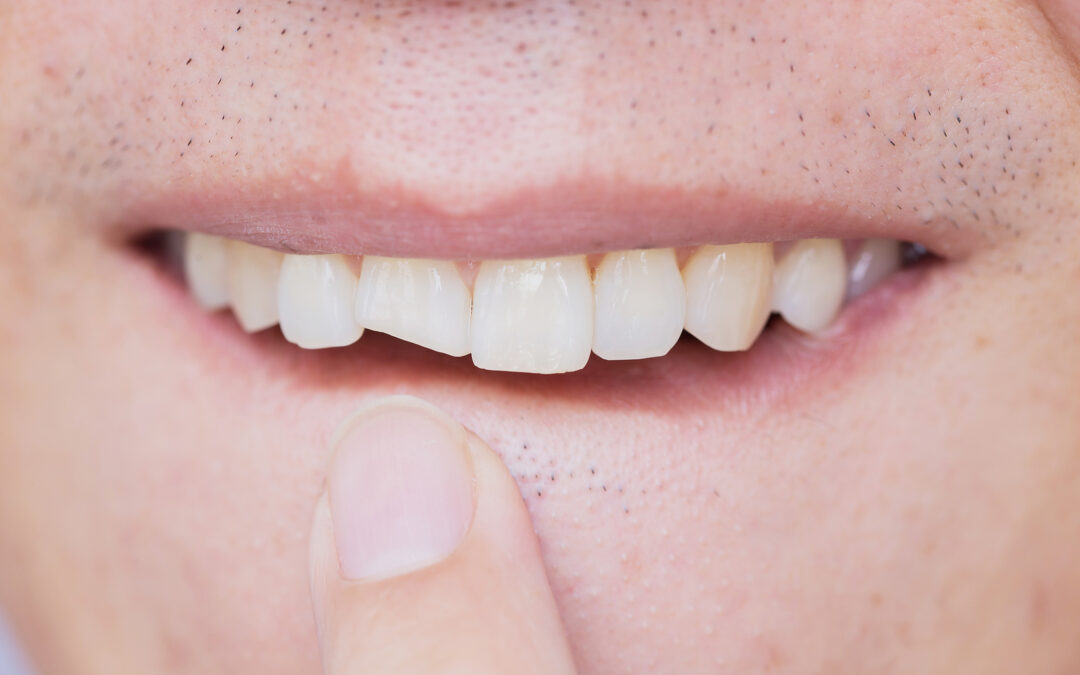
That first crunch of something hard can turn into a moment of panic. You feel something sharp, maybe gritty, and then realize it’s not food. It’s part of your tooth. Fixing a broken tooth might sound overwhelming, but the truth is, your dentist has a toolkit of reliable options that can patch things up beautifully and efficiently.
What Causes a Tooth to Break?
Teeth are incredibly strong, but even they have their limits. Over time, enamel can wear down or become more vulnerable due to decay. Biting down on ice, hard candy, or even olive pits at the wrong angle can cause a chip or fracture. Accidents, falls, and sports injuries are common culprits too.
A small chip might seem harmless, but broken edges can irritate your tongue, lips, or cheeks. If left untreated, cracks can deepen, exposing the nerve and risking infection. Fixing a broken tooth quickly is about protecting your overall oral health.
First Steps to Fixing a Broken Tooth
Before anything else, rinse your mouth with warm salt water to keep the area clean. If there’s pain, take over-the-counter pain relief and stick to soft foods. A jagged edge can be temporarily covered with sugarless gum or dental wax if you have some on hand.
Then, call your dentist. Even minor chips can turn into larger issues if bacteria finds its way in. The sooner you’re seen, the more options your dentist will have for fixing a broken tooth with minimal intervention.
Treatment Options for Fixing a Broken Tooth
The right solution to fixing a broken tooth depends on how much of the tooth is damaged. Small chips are handled differently than a deep fracture or exposed pulp. Here’s what your dentist may recommend:
Cosmetic Bonding or Filling
For small chips or minimal damage, bonding can work wonders for fixing a broken tooth. This is one of the easiest methods for fixing a broken tooth when the break doesn’t go deep. Your dentist uses a tooth-colored resin that is shaped directly on your tooth. Once it’s sculpted to match the original contour, a UV light is used to harden the material.
Bonding doesn’t usually require anesthesia. It’s quick, affordable, and looks natural. For patients who are dealing with cosmetic issues near the front of the mouth, this is often the go-to solution.
Dental Crown
When a larger portion of your tooth is missing or there’s structural weakness due to decay, a dental crown may be the better route to fixing a broken tooth. Crowns act like a protective helmet for your tooth, covering everything visible above the gumline.
During the first visit, your dentist preps the remaining tooth by shaping it to make room for the crown. Impressions are taken (either digitally or with putty), and a temporary crown is placed. A few weeks later, your permanent crown is cemented into place.
Some practices even offer same-day crowns with in-house milling machines, which means fixing a broken tooth can sometimes happen in a single appointment.
Dental Veneers
Veneers are a cosmetic solution, especially when the broken tooth is one of your front teeth. These thin shells, usually made of porcelain, are bonded to the front of the tooth to restore appearance and shape.
To apply a veneer, your dentist removes a small amount of enamel from the surface to help it adhere properly. After impressions are taken, the veneer is custom-made in a lab and placed in a follow-up visit.
It’s worth noting that veneers are long-lasting and highly stain-resistant, making them a popular choice for patients who want both strength and style.
Root Canal Therapy
If the break exposes the pulp, the soft inner layer containing nerves and blood vessels, fixing a broken tooth becomes more complex. Bacteria can easily enter and infect the area, leading to pain and potential tooth loss if not treated.
A root canal involves removing the damaged pulp, cleaning the inside of the tooth, and sealing it. In most cases, the tooth is then covered with a crown to protect what’s left and restore function.
Root canals have a reputation for being unpleasant, but with modern techniques, most patients compare them to getting a standard filling.
Emergency Situations: Knocked-Out or Severely Fractured Teeth
If your tooth has been knocked out entirely, time matters. Reimplantation is most successful within 30 minutes of the injury. Gently rinse the tooth (don’t scrub it), and place it back in the socket if possible. If that’s not an option, store it in milk or between your cheek and gum, and get to the dentist or ER immediately.
For broken teeth that are bleeding, causing intense pain, or come with other injuries (like facial trauma), head to an emergency dentist or hospital without delay.
One Good Repair vs. Multiple Visits
Fixing a broken tooth can sometimes be handled in a single appointment, but certain repairs do require follow-ups. Crowns, veneers, and root canals typically take at least two visits unless your dentist has digital tools for same-day restorations.
That said, temporary materials can usually stabilize your tooth in the meantime. If you’re feeling nervous about time or cost, talk to your dental team. They’ll walk you through what’s necessary, what can wait, and what’s optional.
Costs and Insurance
The cost of fixing a broken tooth can vary quite a bit. Bonding might cost a few hundred dollars, while crowns or root canals can run into the thousands. Fortunately, most dental insurance plans cover part of the repair if it’s considered medically necessary.
Cosmetic-only treatments like veneers may not be covered, but dentists often provide dental payment plans or financing options. It’s always okay to ask about costs upfront, you deserve to understand the investment before committing to treatment.
Aftercare and Long-Term Maintenance
After your tooth is repaired, a little TLC goes a long way. Stick to soft foods for a few days if your repair was extensive. Avoid chewing on the side where the work was done until your dentist gives you the all-clear.
Long-term, the goal is to avoid repeat damage. Chewing on hard candies, fingernails, or using your teeth as tools puts any repaired tooth at risk again. If you grind your teeth at night, consider getting fitted for a night guard. It might feel like overkill, but that small piece of plastic could extend the life of your repair by years.
Most importantly, keep up with daily brushing, flossing, and regular checkups. That’s your best defense against future fractures, decay, or complications.
When Fixing a Broken Tooth Is the Right Call
Sometimes, people live with a broken tooth for months because the pain goes away or they assume it’s not worth fixing. But what starts as a small chip can compromise the entire tooth over time. Cracks deepen. Bacteria finds its way in. Before you know it, you’re facing an extraction instead of a quick fix.
Fixing a broken tooth early is usually easier, cheaper, and much less invasive. Plus, it helps you avoid surprises later, like a sudden crack during dinner or pain while traveling.
Confidence Starts with a Smile You Trust
A broken tooth doesn’t have to mess with your confidence or your routine. With the right dental care, it’s something that can be fixed smoothly and permanently. Whether you chipped it on a popcorn kernel or had a run-in with a soccer ball, the good news is that you’ve got options.
Don’t Wait for It to Get Worse
If something feels off in your mouth, it probably is. Contact Diablo Dental Group today and get that tooth fixed right. You’ll be glad you did.